

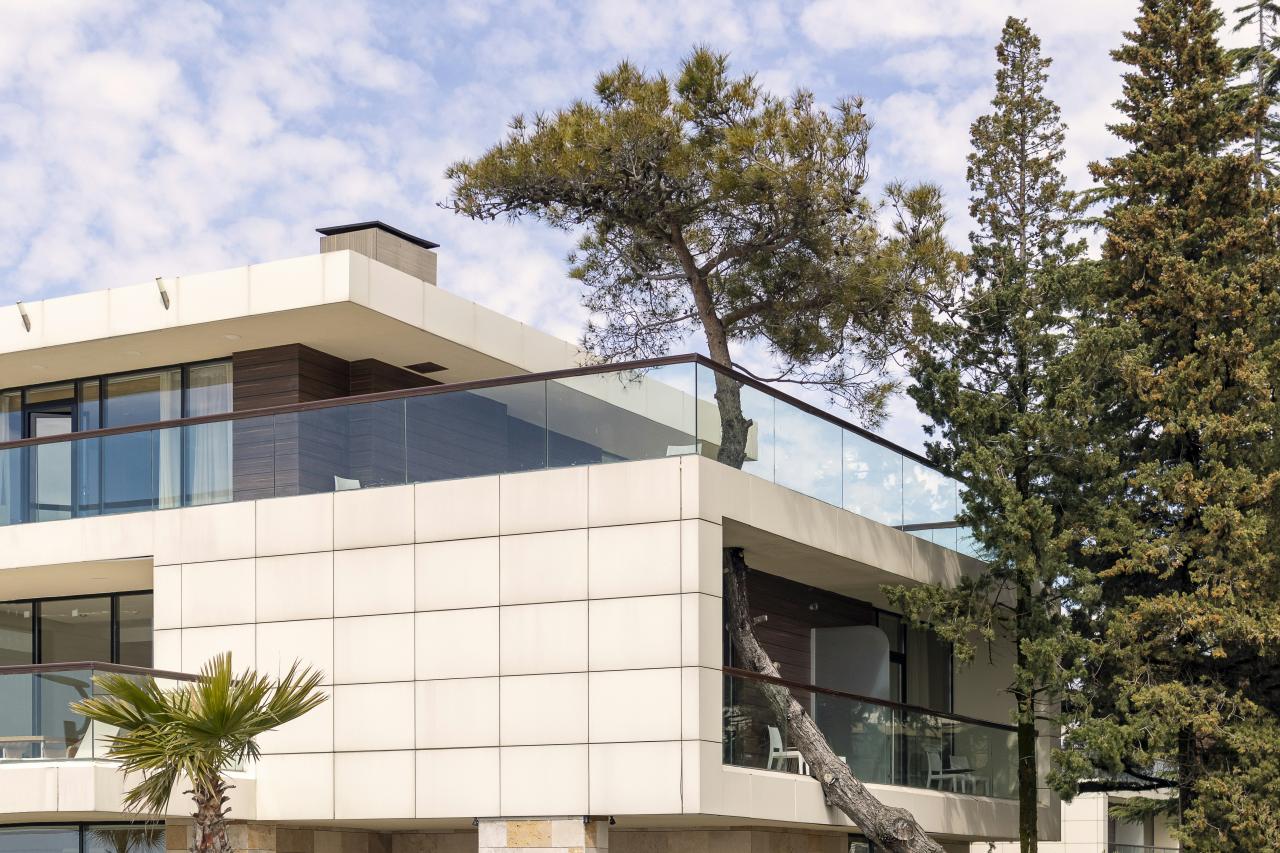
The global real estate landscape is currently undergoing a massive structural shift as homeowners and investors move toward a future defined by sustainability and environmental intelligence.
For many decades, property value relied almost entirely on location and square footage, but the true power has now shifted to the efficiency and ecological footprint of the building itself.
We are moving away from the era of high-consumption housing and entering a time where eco-conscious design defines the gold standard for luxury and long-term asset appreciation.
This technological and cultural transformation allows savvy owners to utilize advanced green materials and smart energy systems to capture a significant premium in an increasingly competitive market.
Modern sustainable homes act as a sophisticated life-support system, providing a level of comfort, air quality, and cost savings that extends far beyond the reach of traditional construction.
As energy costs fluctuate and environmental awareness grows, the ability to offer a “climate-ready” home becomes a vital competitive advantage for every seller.
This comprehensive guide explores the deep technical foundations of green building and the strategic maneuvers needed to achieve total property value optimization. Let us dive into the mechanics of this green revolution to help you understand how smart eco-choices create the future of your personal and inspired wealth.
Implementing a professional eco-conscious strategy involves a total rethink of how you manage your physical assets and your relationship with the surrounding environment.
Technology experts and sustainable architects now use sophisticated modeling to identify the specific upgrades that offer the highest return on investment in terms of both energy savings and resale value.
By identifying potential efficiency gains through thermal imaging and providing a clear view of sustainable material life cycles, property owners can eliminate the waste that often hinders long-term profitability.
This approach does not just offer environmental benefits; it directly fosters a sense of pride and security in an increasingly volatile and resource-hungry global economy. We are witnessing a shift where a “home” is no longer just a shelter but a continuous, intelligent resource that adapts to the climate and the needs of its inhabitants.
This evolution ensures that your property remains resilient and prepared for the unique logistical challenges of the modern age. By investing in these intelligent green systems, you build a legacy of financial wisdom that ensures your capital remains positioned at the very forefront of the real estate market.
Technical Foundations Of High Efficiency Energy Systems

A. Analyzing Solar Array Integration and Battery Storage Capacity
The primary weapon in the fight for property value involves the installation of high-efficiency solar panels paired with advanced lithium-iron-phosphate battery systems. These advanced setups allow a home to generate its own clean power and store the excess for use during peak hours or grid outages.
Solar technology solves the problem of “rising utility costs” by providing a predictable and almost zero-cost energy source for decades.
You gain a massive advantage in the market because buyers view a pre-installed solar system as a “pre-paid” energy bill that adds immediate equity to the home. From my perspective, the real solution for readers is to focus on “all-black” aesthetic panels, as modern buyers demand that sustainability looks just as good as it performs.
B. Evaluating Heat Pump Technology for Climate Control Efficiency
Modern air-source and ground-source heat pumps have revolutionized the way we heat and cool our spaces by moving heat rather than generating it through combustion. This system can provide three to four times more energy than it consumes, making it the most efficient climate control technology available on the market today.
Heat pump technology solves the problem of “carbon-heavy heating” by eliminating the need for natural gas or oil furnaces in the home. You enjoy a more stable and comfortable indoor environment because the system provides a gentle, consistent flow of air without the dry “blasts” of traditional heaters.
My view is that removing fossil fuel connections is the ultimate “future-proofing” move; as regulations tighten, “electric-only” homes will command the highest premiums.
C. Implementing Smart Glass and High Performance Thermal Envelopes
To keep the energy you generate inside the home, you must invest in high-performance windows and advanced insulation materials like hempcrete or recycled cellulose. Smart glass technology can automatically tint based on the intensity of the sun, reducing the “cooling load” during hot summer days without blocking your view.
A tight thermal envelope solves the problem of “energy leakage” which is the leading cause of high utility bills and uncomfortable drafts in older homes.
You benefit from a sanctuary that remains quiet and temperate regardless of the weather outside, which is a major selling point for high-end buyers. I suggest that the smartest move is to perform a “blower door test” to find and seal every micro-leak, as this small investment provides a massive boost to your energy rating.
D. Utilizing Energy Recovery Ventilation for Superior Indoor Air Quality
As we make our homes more airtight, we must use Energy Recovery Ventilators (ERVs) to ensure a constant supply of fresh, filtered air without losing our indoor heat. These systems swap the energy between the outgoing stale air and the incoming fresh air, ensuring your home stays healthy and oxygen-rich.
ERV technology solves the “sick building syndrome” problem by removing allergens, CO2, and pollutants before they can affect your family.
Your property remains a premium asset because it offers a demonstrably healthier living environment than a standard, leaky house. I believe that “air health” is the next big luxury trend; the buildings that can prove they have hospital-grade air will be the most valuable assets of the future.
Strategic Operational Maneuvers In Sustainable Material Selection
A. Fostering Durability Through Reclaimed and Engineered Timber
Using reclaimed wood or Cross-Laminated Timber (CLT) for structural and aesthetic elements provides a unique, high-end look while significantly reducing the carbon footprint of the build.
These materials are often stronger and more fire-resistant than traditional lumber, providing a level of safety and longevity that buyers are willing to pay for. Sustainable timber solves the “deforestation” problem by utilizing existing resources or fast-growing, managed forests.
You gain a competitive edge by telling a story of heritage and responsibility through the very bones of your property. I find that the real solution for reader profit is to leave these materials exposed; the raw beauty of natural wood acts as a “biophilic” trigger that makes buyers feel an instant emotional connection to the space.
B. Bridging The Gap With Recycled Metal and Low Carbon Concrete
The foundation and roof of a home represent the largest sources of “embodied carbon,” but modern alternatives like recycled steel and “green” concrete are changing the game. These materials offer the same structural integrity as traditional versions but use industrial byproducts like fly ash to reduce their environmental impact.
Low-carbon material technology solves the “construction waste” problem by turning the building process into a positive force for the planet. You enjoy the benefits of a home that is built to last for centuries, rather than decades, which is a key metric for institutional investors.
My advice is to document the “carbon savings” of your build; having a certified report on your material choices can add a specific, measurable value during the appraisal process.
C. Implementing Low VOC Finishes for a Chemical Free Environment
Standard paints, glues, and carpets often release “Volatile Organic Compounds” (VOCs) for years, which can cause headaches and long-term health issues for the inhabitants. By choosing plant-based oils, clay plasters, and natural fiber floorings, you create a space that smells fresh and contains zero toxic off-gassing.
Low-VOC technology solves the “chemical exposure” problem, making your home the safest possible choice for families with young children or pets. You benefit from a faster sale because the “new home smell” in your property is actually the smell of clean air, not harsh chemicals.
I suggest that using natural plasters is the secret to a luxury feel; the texture and depth of clay or lime far surpass the flat look of cheap drywall and paint.
D. Optimizing Landscape Value Through Xeriscaping and Native Flora
Traditional lawns require massive amounts of water and chemicals to stay green, but eco-conscious landscaping uses native plants that thrive in the local climate with zero help. This “Xeriscaping” approach creates a beautiful, low-maintenance outdoor space that provides a habitat for local pollinators and birds.
Native landscaping technology solves the “water waste” problem, which is becoming a major financial burden in many regions facing droughts and rising water rates.
You benefit from a more relaxed lifestyle because your garden takes care of itself, allowing you to enjoy the beauty without the “mowing chores.” I believe that the future of luxury is “functional nature”; the gardens that provide food or support biodiversity will always be more valuable than a patch of mown grass.
Enhancing The Human Experience Through Biophilic Innovation
A. Fostering Mental Calm and Reducing Daily Urban Stress
Living in a home designed with nature in mind provides a level of psychological foreknowledge and calm that naturally lowers the heart rate and reduces cortisol levels.
Biophilic design—which integrates natural light, plants, and water—solves the “urban disconnection” problem by bringing the soothing power of the forest into your living room. When you surround yourself with natural textures and views of greenery, the daily stress of the modern world simply disappears.
This mental shift solves the “lifestyle burnout” problem by making your home a true sanctuary for recovery and rest.
You can finally enjoy your life again, knowing that your digital and physical environment supports your biological need for nature. My perspective is that a “peaceful home” is the ultimate luxury that no amount of expensive furniture can replace.
B. Bridging The Gap Between Biological Limits and Machine Efficiency
The human body is not designed to live in artificial light or to breathe recycled, stagnant air for twenty-four hours a day. Eco-conscious homes act as a biological upgrade, using “circadian lighting” and natural ventilation to synchronize your internal clock with the rising and setting of the sun.
This bridge between “man and nature” allows us to navigate the world with a level of energy and focus that was once considered impossible in a city environment.
It removes the physical “ceiling” of our cognitive abilities and replaces it with a living space that actively supports our health and sleep. You are no longer limited by the “tiredness” caused by poor lighting; you become a master of your own energy through the power of smart, biological design.
C. Personalizing The Eco Interface To Match Your Unique Lifestyle
Every individual has a different relationship with their environment, and modern smart home systems allow you to customize how your eco-features interact with your life.
You can choose an “active” mode that maximizes energy production for your electric vehicle or a “tranquil” mode that prioritizes natural airflow and soft, indirect light. This level of personalization ensures that the system is helpful rather than distracting or overwhelming for your specific needs.
Giving the user control over their “environmental philosophy” solves the “one-size-fits-all” problem of traditional architecture. You curate your own financial and ecological sanctuary that feels comfortable and respectful of your unique habits and your dreams for a sustainable future.
D. Ensuring Absolute Standards In Ethics and Environmental Trust
As we rely more on green technology to manage our survival, we must ensure that these systems are ethically built and strictly respectful of the planet. This includes ensuring that the lithium for our batteries is responsibly mined and that our solar panels are built by companies that respect human rights.
Ethical framework design solves the “greenwashing” risk for homeowners by ensuring that their investment truly supports the long-term health of the entire global system.
You can live with a clean conscience, knowing that your digital and physical eyes are watching out for the sustainability of the world. I believe that “True Sustainability” is not just a trend but a fundamental requirement for the prosperity and happiness of the modern human family.
Conclusion

Eco-conscious design is the best partner for boosting property values. It allows you to build wealth with absolute precision and data. The technology provides a faster way to achieve financial independence. You should always view green features as a vital shield.
Consistency in your maintenance ensures your home stays very smart. The digital arena rewards those who lead with innovation today. Don’t let the noise of the world ruin your peace. A smart owner is a person who uses every tool. We are proud to see how technology removes the stress.
Thank you for exploring the future of eco-design with us. May your equity be high and your agents stay sharp. The global industry is moving toward a future of safety. Enjoy the freedom and the power that smart assets provide.
Your journey toward a more secure life begins right here. Level up your property strategy and you will see results. The stadium of industrial excellence is waiting for you now.